๐ŸŒ Questo sito รจ disponibile anche in italiano.
Vai alla versione italiana โ†’
About Minimally Invasive โ€” Robotic Surgery โ€” Advanced Laparoscopy โ€” Vaginal & vNOTES โ€” Mini-Laparotomy Gynecologic Oncology Research Knowledge Base Vision Referral Network Book Appointment
Excellence in Gynecologic Oncology Surgery

Prof. Violante
Di Donato

Gynecologic Surgeon ยท Gynecologic Oncology
Associate Professor, Sapienza University of Rome

ESGO Master โ€” Gynecologic Oncology Da Vinci TR-400 Certification Sapienza University of Rome
ยทยทยทPublications
ยทยทยทH-Index
20+Years Experience
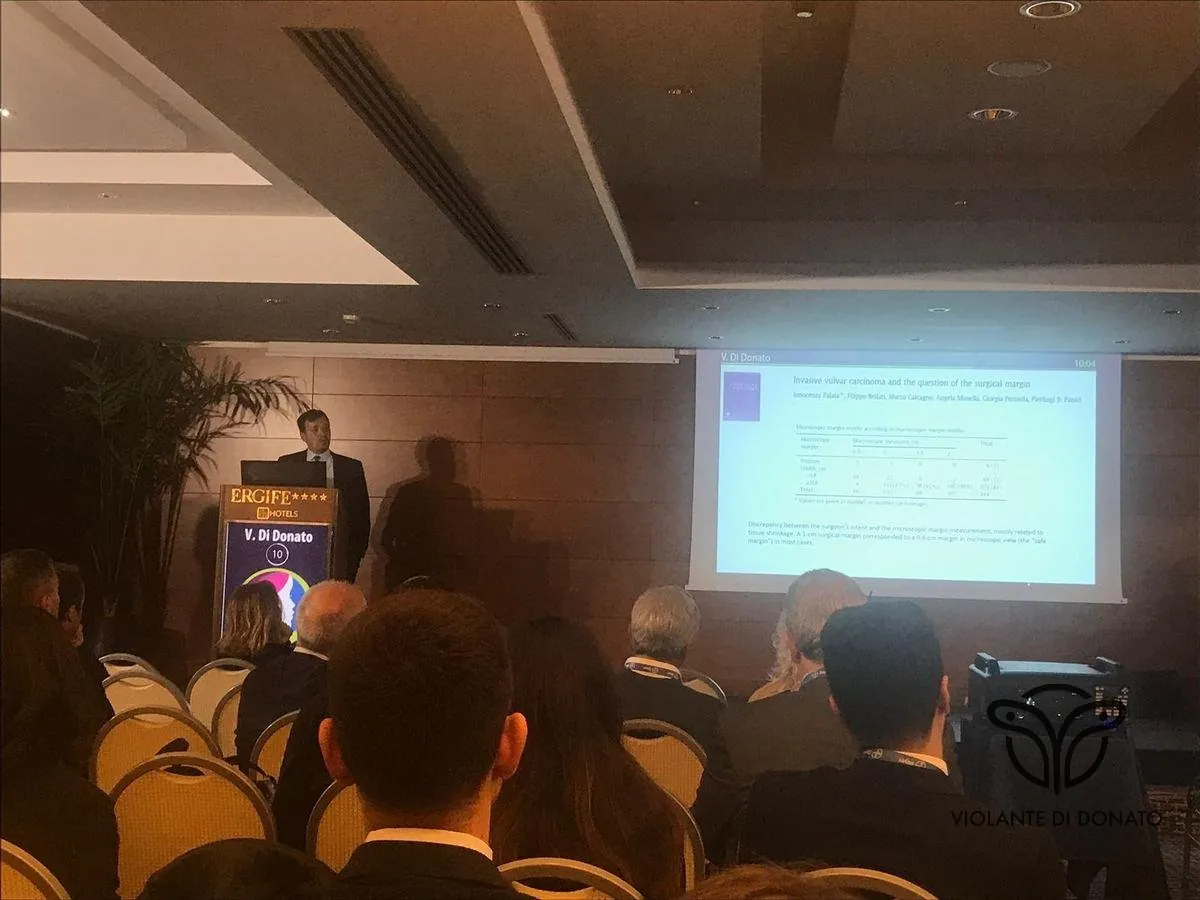
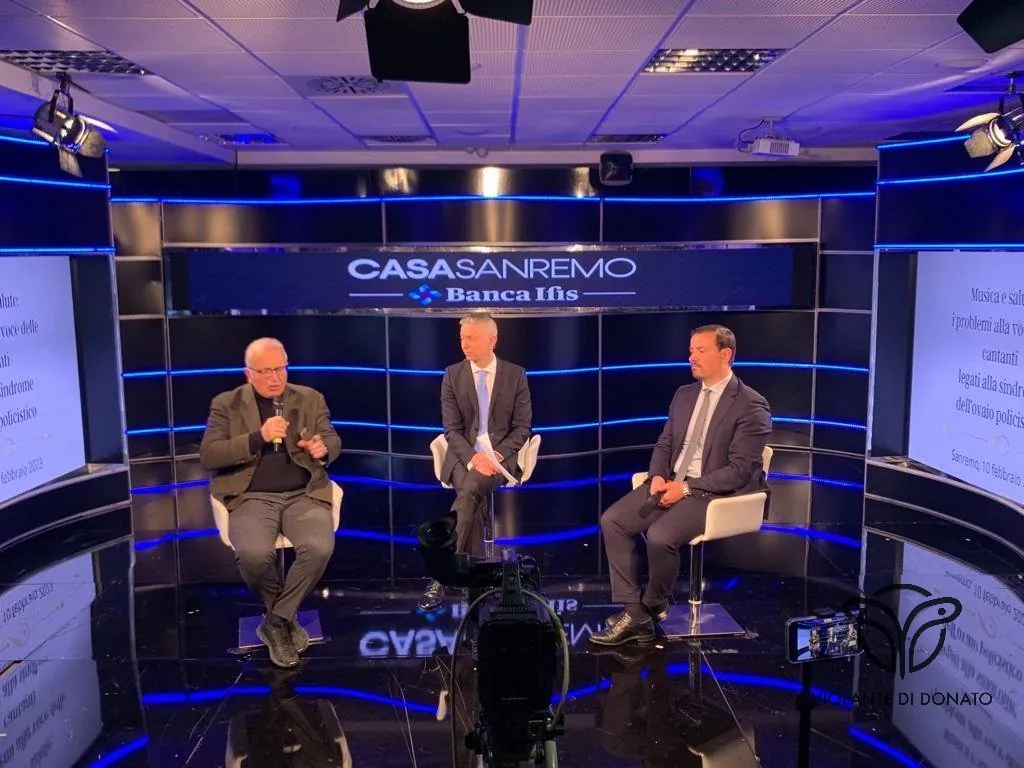
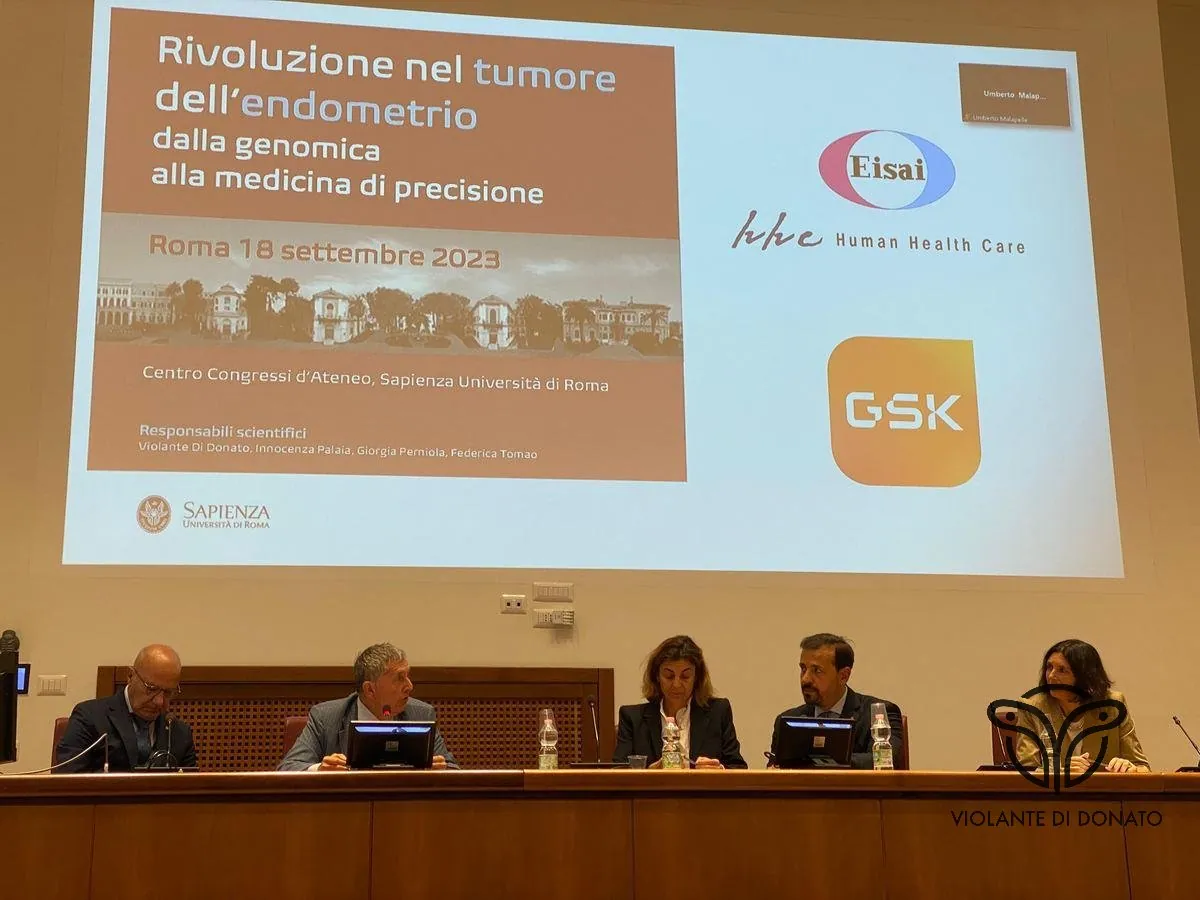
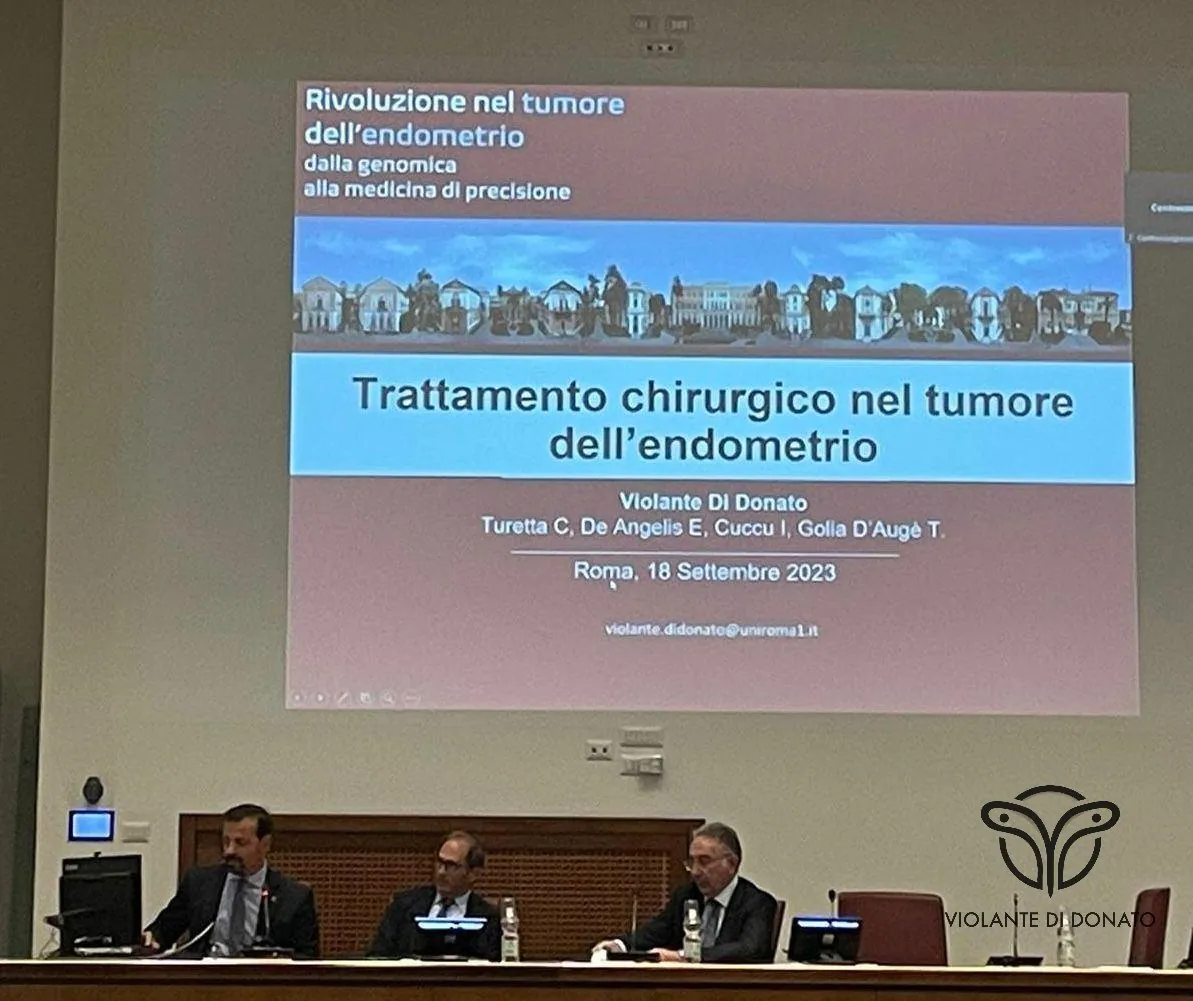
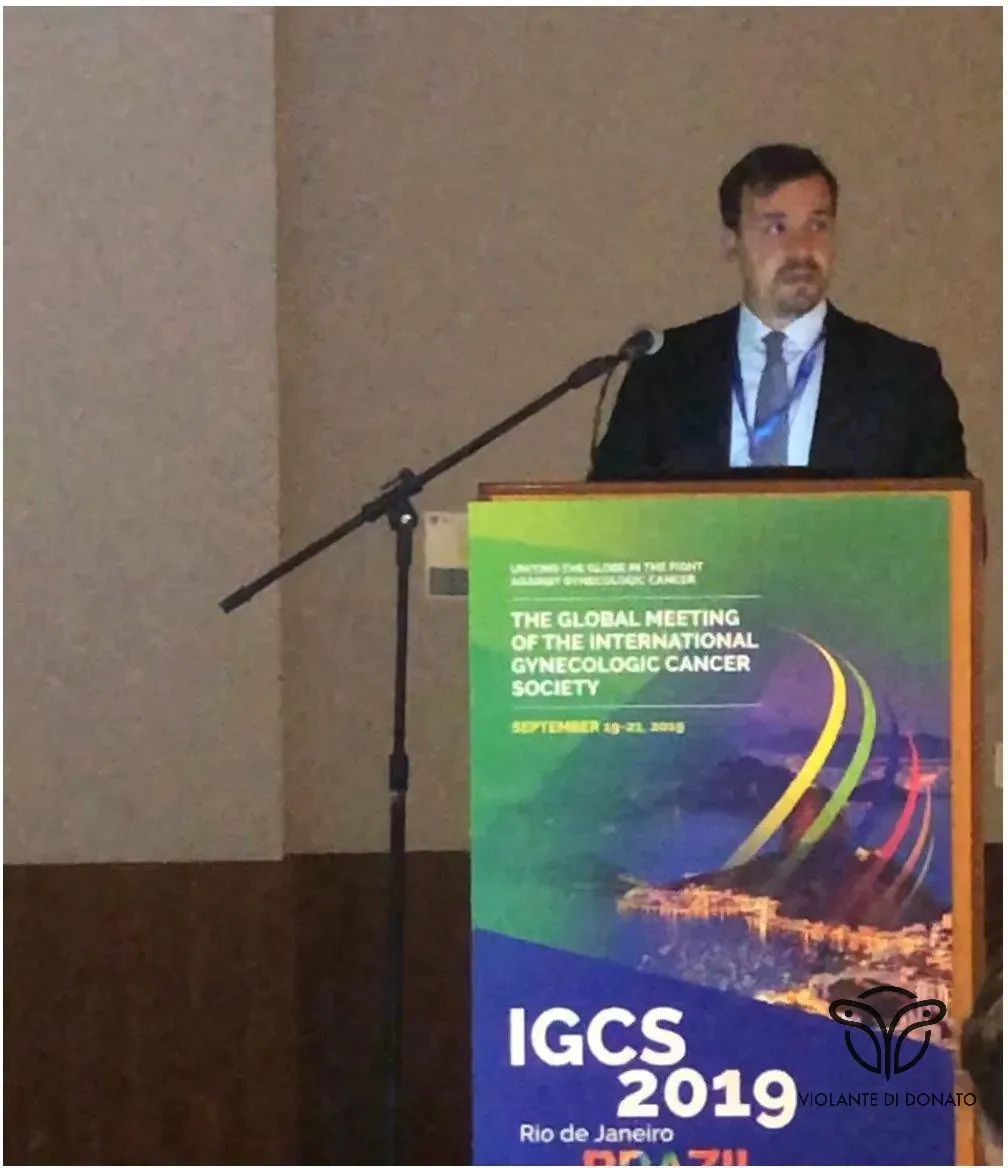
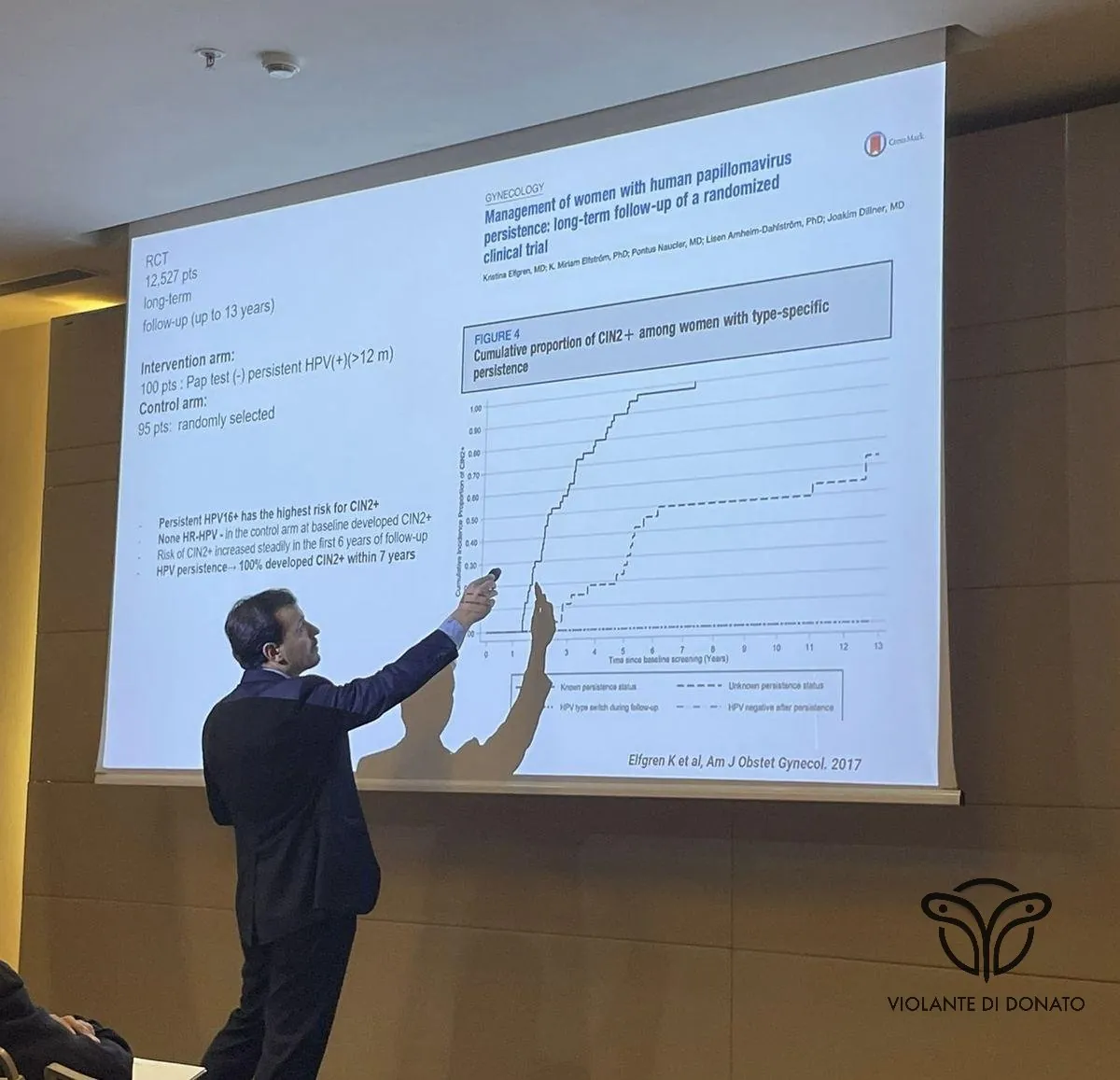
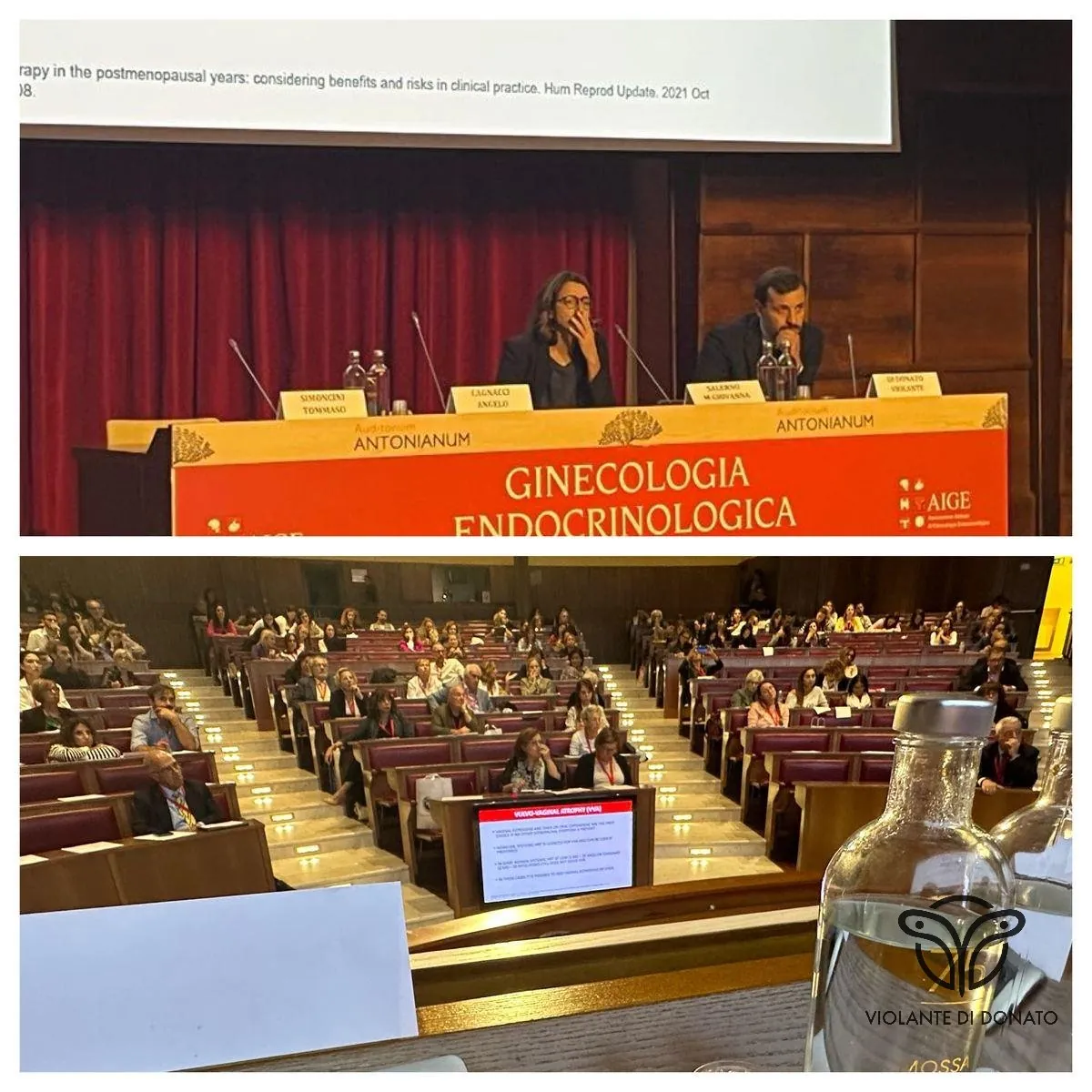
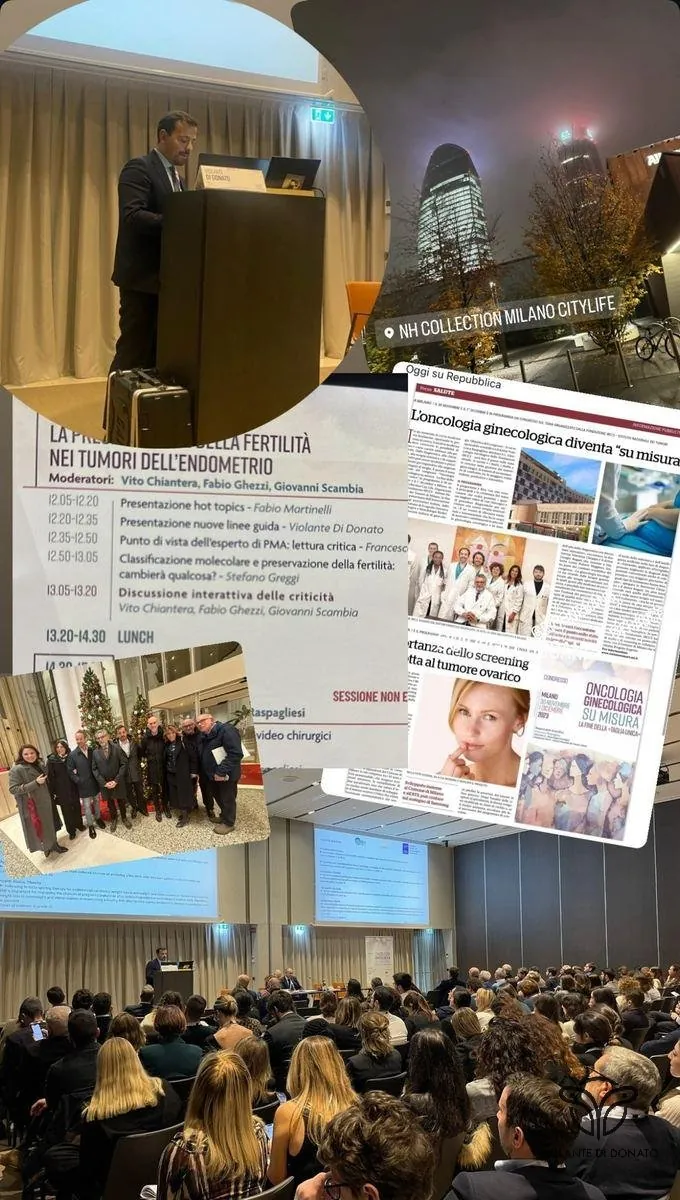
100+Conference Speaker
3500+Surgical Procedures
Prof. Violante Di Donato
Academic & Surgical Profile

About

Prof. Violante Di Donato graduated in Medicine and Surgery summa cum laude and subsequently completed his residency in Obstetrics and Gynecology summa cum laude. He then pursued his academic career by earning a PhD in Obstetrics and Gynecology, integrating clinical practice with scientific research from the very beginning.

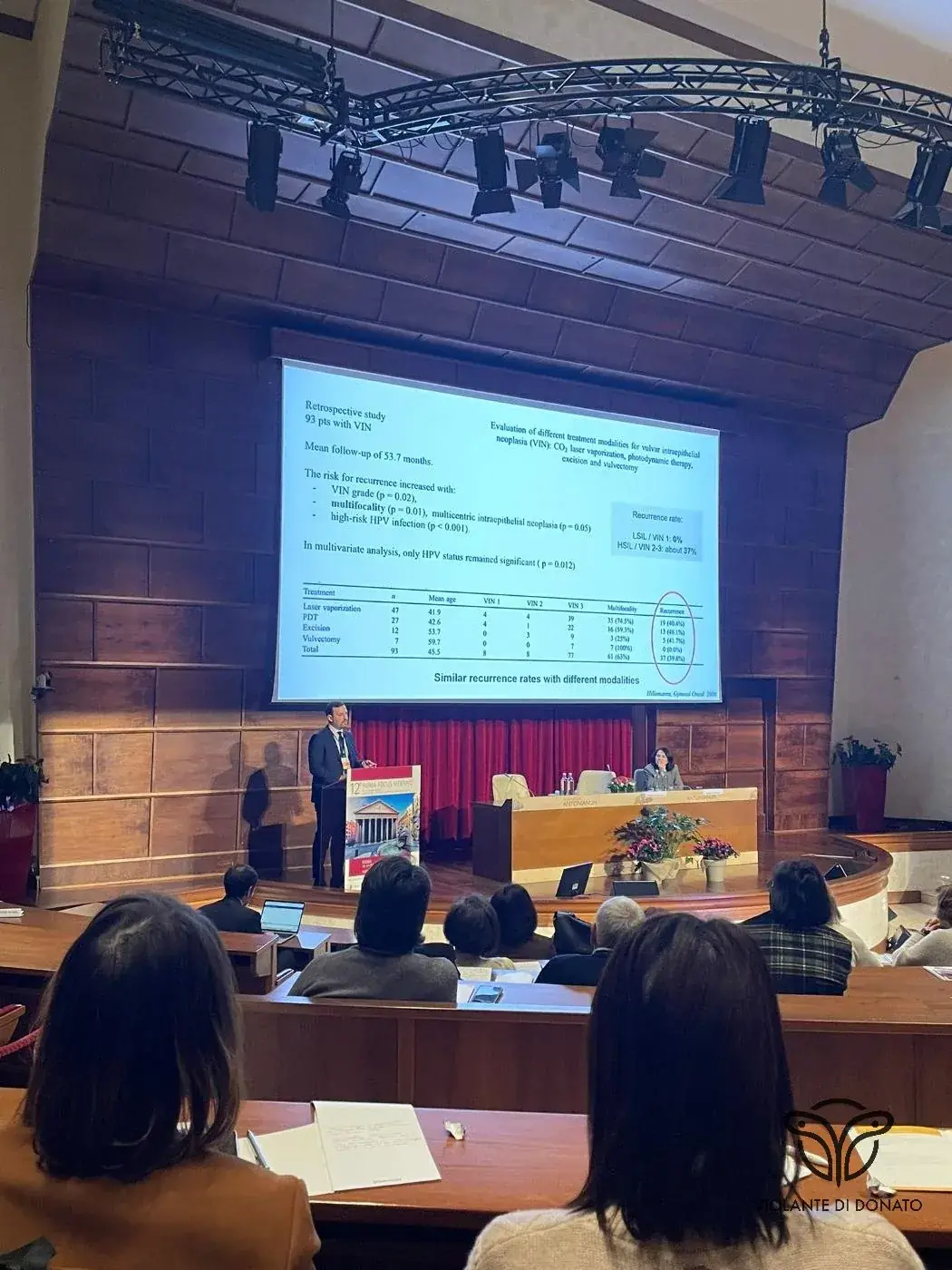
In 2013 he worked as an independent consultant at the Department of Gynecology of the National Cancer Institute of Milan, consolidating his specialization in gynecologic oncology, and obtained the ESGO Master in Gynecologic Oncology. After returning to Rome, he secured a teaching and research position at Sapienza University, where he currently serves as Associate Professor of Obstetrics and Gynecology.

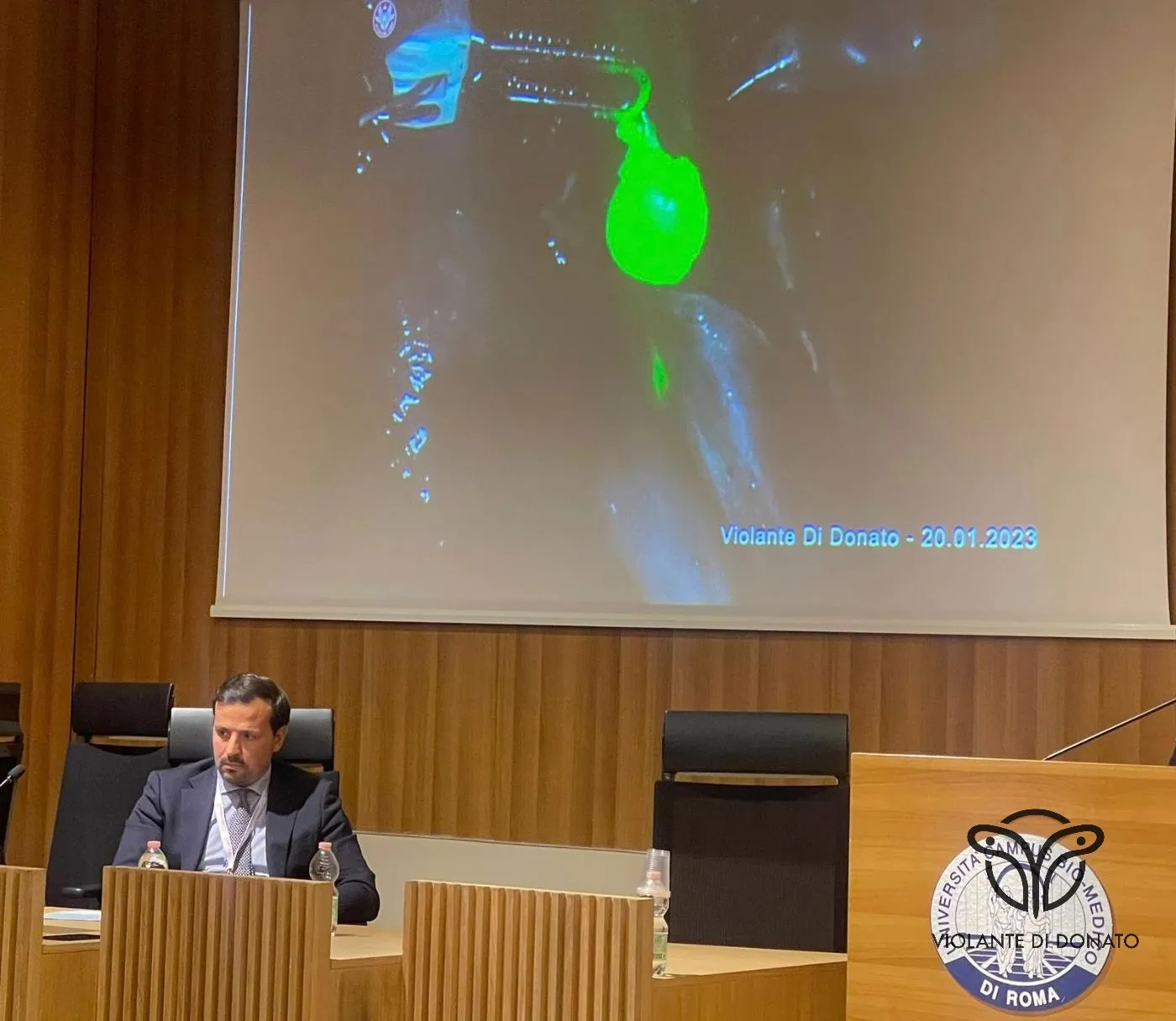
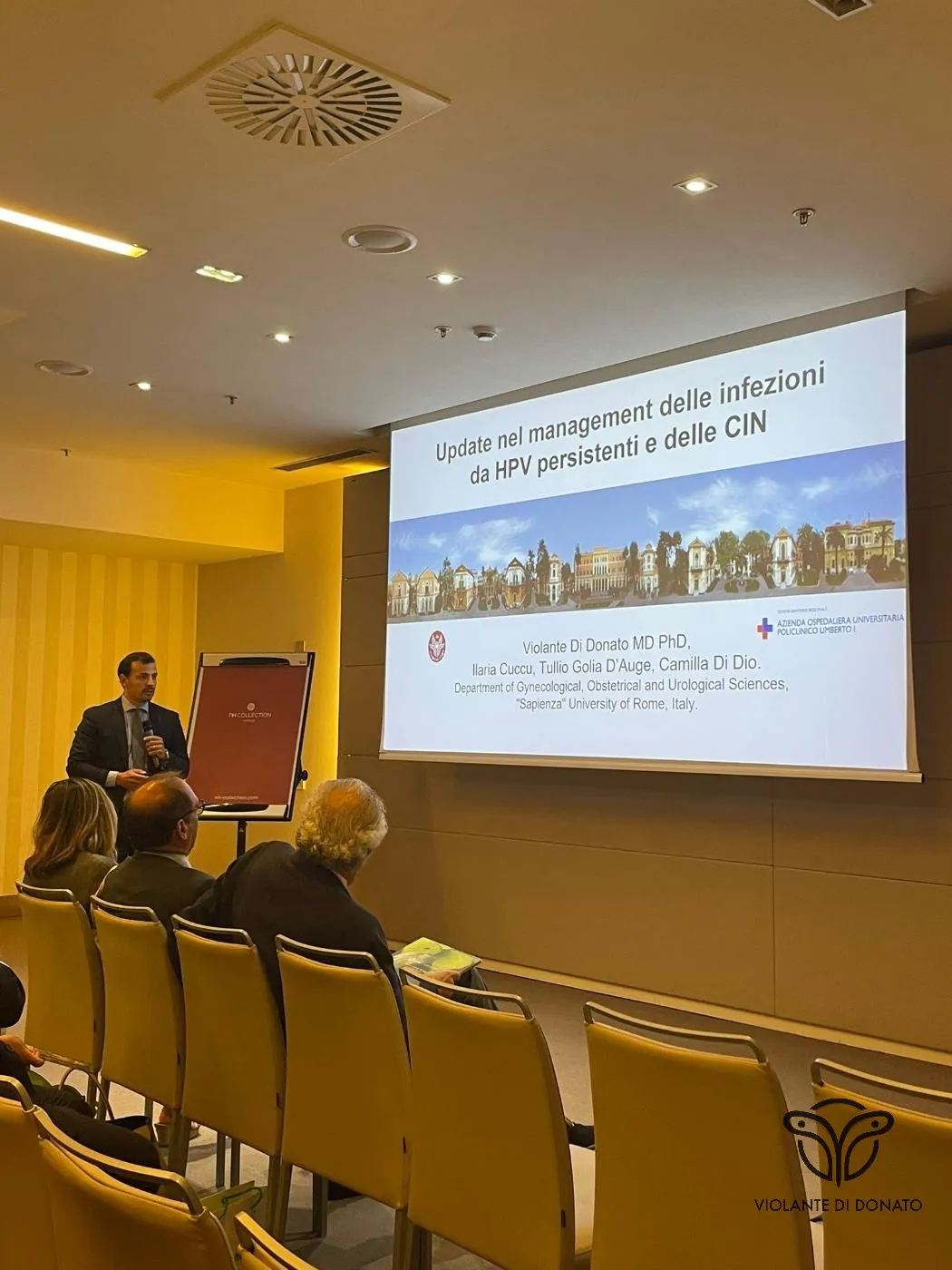
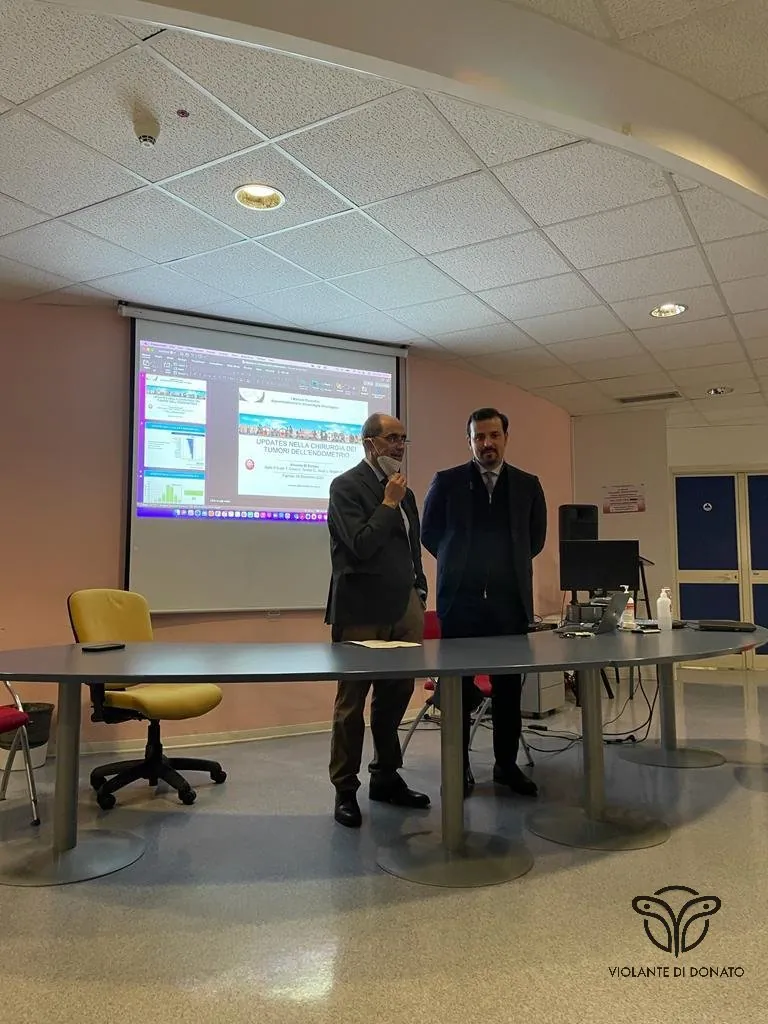
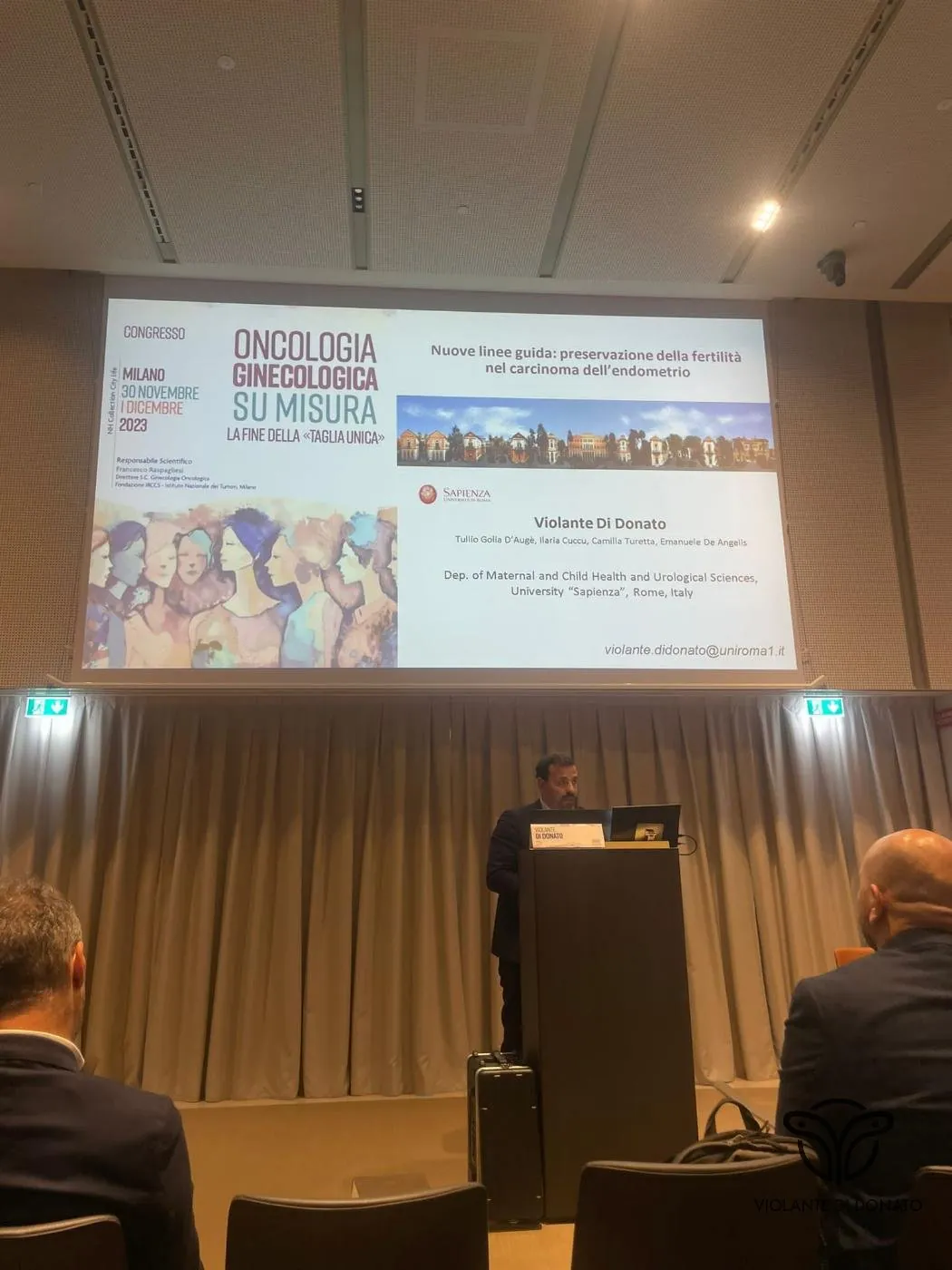
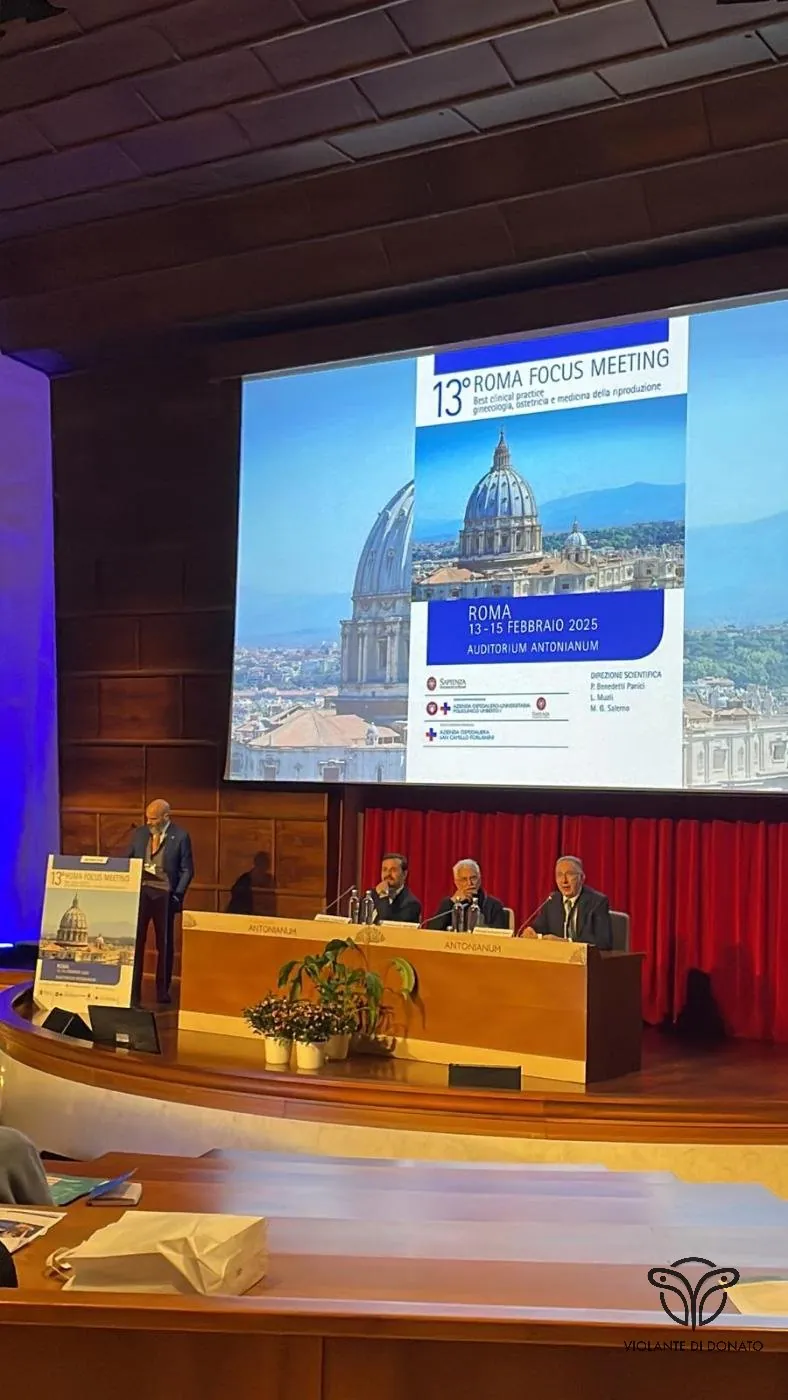
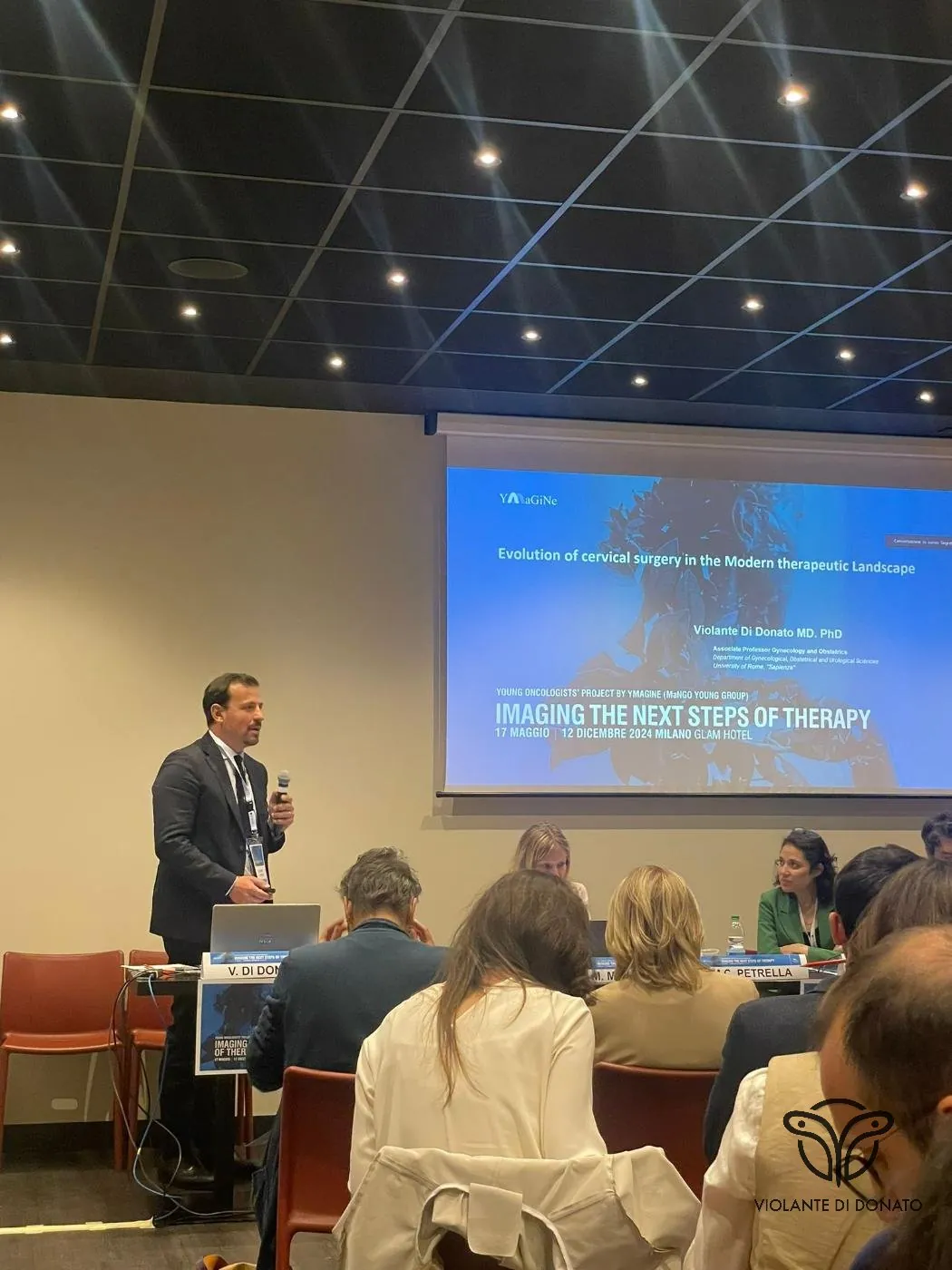
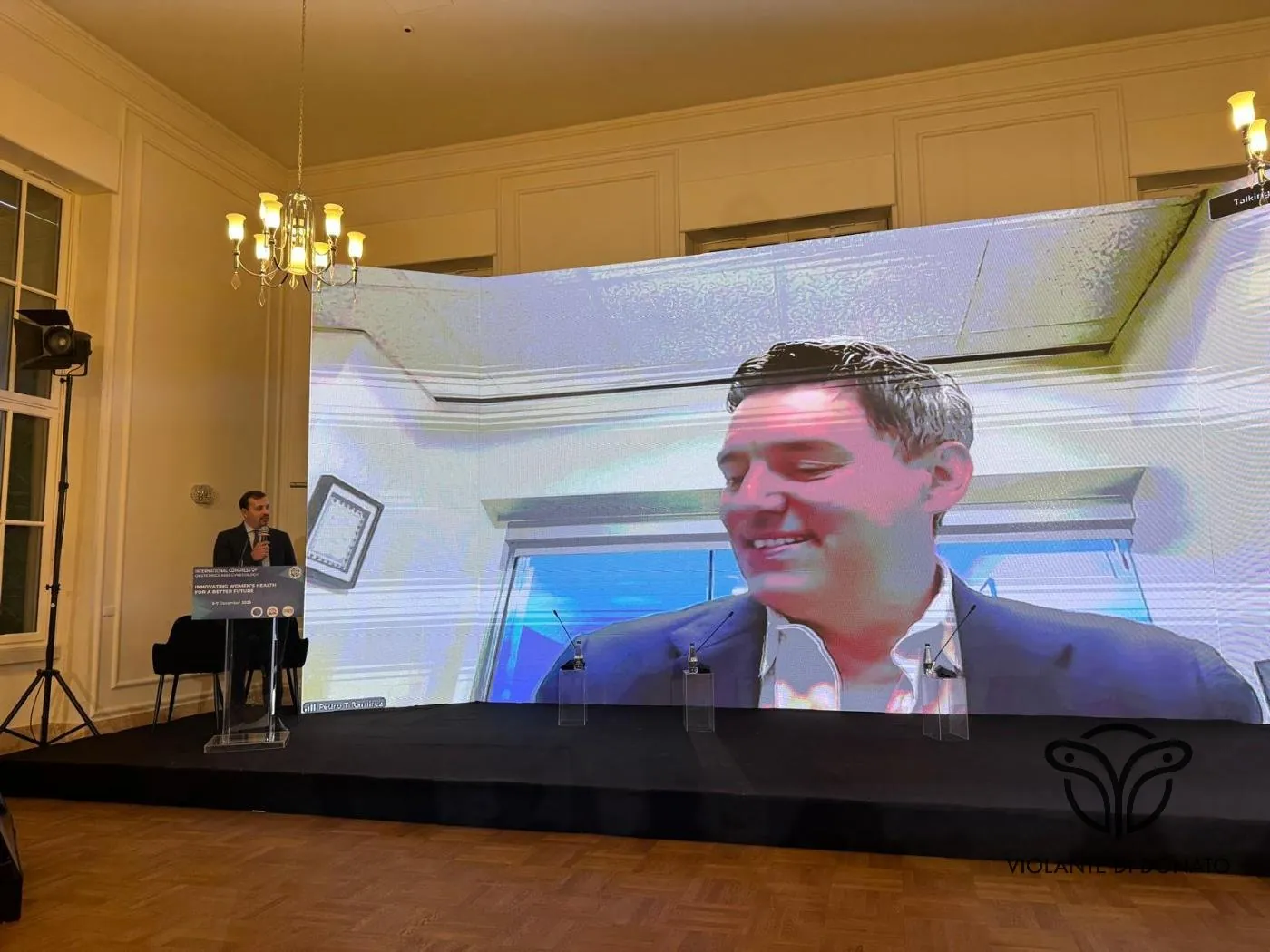
Strongly convinced that informing and empowering patients contributes to better clinical outcomes, his approach is founded on dedication, empathy and the rigorous application of evidence-based medicine. He is actively involved in scientific research and is a regular speaker at national and international conferences in the field.

He is the author of over 266 publications in international peer-reviewed journals and of several book chapters โ€” view scientific production โ†’

SapienzaAssociate Professor
Da VinciTR-400 Certification
ESGOGynecologic Oncology Master
Surgical Approaches

Minimally Invasive Surgery

Approaches to minimally invasive surgery

Over the years, surgery has progressively moved away from the concept of "maximally aggressive" treatment, evolving toward an increasingly personalized and tailored approach. For many conditions, the principle has shifted from maximum tolerated dose to minimum effective therapy โ€” aiming to achieve the same clinical outcome while minimizing the impact of treatment on the patient.

This is the principle that underpins minimally invasive surgery, which allows therapeutic results comparable to traditional surgery โ€” without compromising therapeutic or functional effectiveness โ€” while offering significant advantages: reduced complications, less postoperative pain, shorter hospital stays, and better overall tolerability of the procedure.

Today, several minimally invasive surgical approaches are available, and they should be considered complementary to one another. The choice of approach is not determined by the technology itself, but is guided by the patient's characteristics, the type of pathology, and the goals of treatment.

For this reason, every procedure is planned by selecting the most appropriate technique for that specific case, with the aim of providing increasingly personalized, effective, and safe surgery.

๐Ÿค–

Da Vinci Robotic Surgery

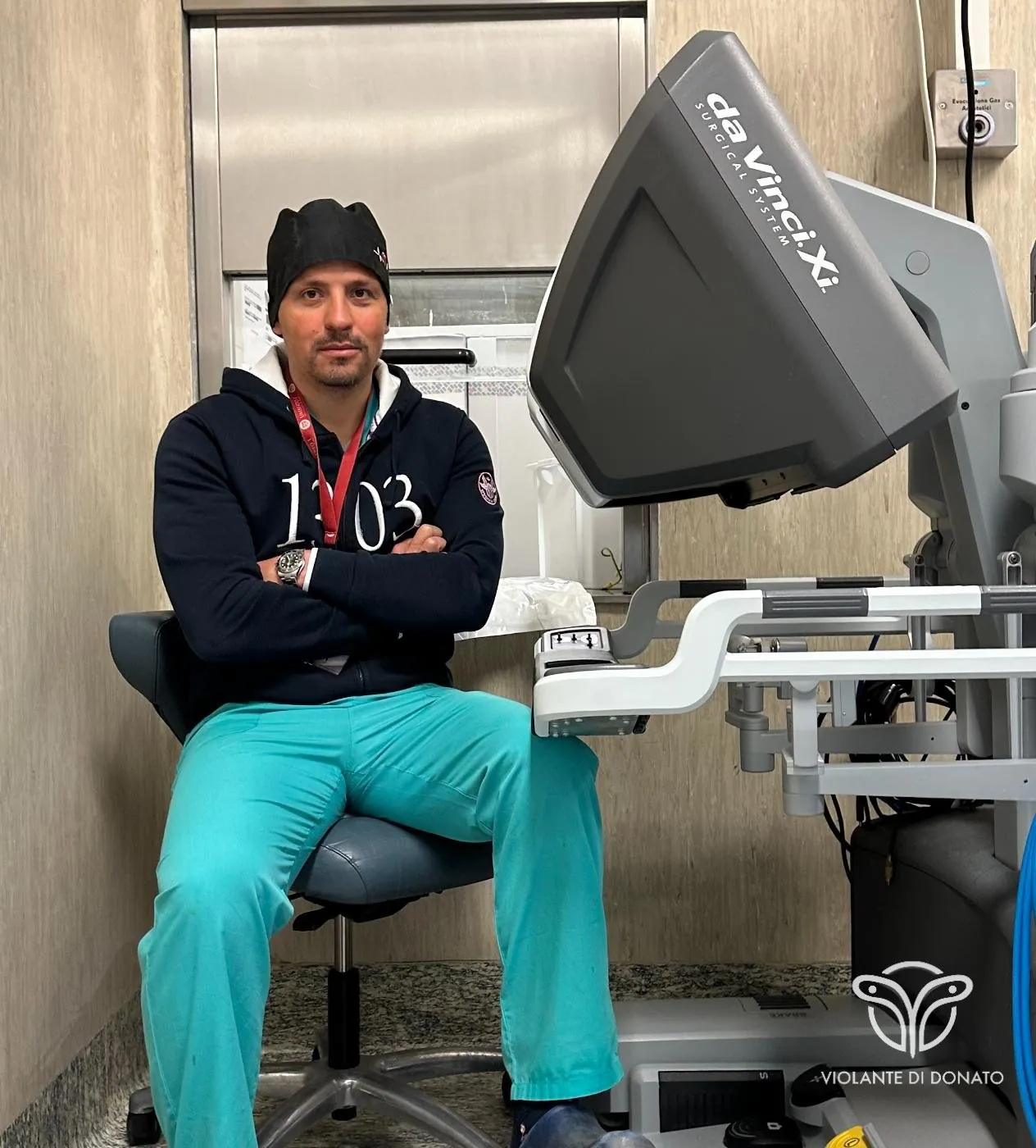
Prof. Violante Di Donato is TR-400 Console Surgeon certified for the Da Vinci X and Xi systems, one of the most advanced qualifications available in robotic gynecologic surgery.

The Da Vinci robotic platform enables high-definition three-dimensional vision with enhanced magnification, offering the surgeon extremely precise control of the operative field. EndoWrist instruments, with 7 degrees of freedom, reproduce and amplify human hand movements, allowing superior dexterity compared to conventional laparoscopy. This is combined with elimination of physiological tremor and constant image stability.

Compared to traditional laparoscopy, robotic surgery allows greater precision in deep anatomical dissections, reduces surgeon fatigue in the most complex and prolonged procedures, and facilitates the execution of technically demanding techniques.

Applications

Gynecologic Oncology โ€” The Core
  • โ†’Endometrial Carcinoma
    Approach of choice for robotic surgical staging with Sentinel Lymph Node (SLN) biopsy, pelvic and para-aortic lymph node mapping with precision
  • โ†’Cervical Carcinoma
    Rigorous case selection in early stages following the post-LACC Trial protocol; Querleu-Morrow type B/C radical hysterectomy
  • โ†’Oncologic Staging
    Systematic retroperitoneal approach, SLN-guided selective lymphadenectomy
Complex Reconstructive & Benign Surgery
  • โ†’Deep Infiltrating Endometriosis
    Compartmental surgical management of posterior and ureteral segments, nerve-sparing technique
  • โ†’Urogynecology
    Suspension of endopelvic fasciae and ligaments using robotic technique for multi-compartment prolapse repair
  • โ†’Contained Robotic Myomectomy
    Robotic myomectomy in selected cases, multi-layer uterine reconstruction, in-bag protected extraction
  • โ†’Hysterectomy for Complex Pathology
    Distorted anatomy, severe adhesions, large uterine volumes
Surgery in Fragile Patients
  • โ†’Severe Obesity (BMI โ‰ฅ 30)
    Robotics dramatically reduces the laparotomic conversion rate, wall complications, and recovery times compared to other approaches. Patients with cardiovascular or respiratory comorbidities โ€” lower physiological impact of pneumoperitoneum

The choice of surgical technique (Open vs Minimally Invasive) is not driven by technology or surgical feasibility, but by safety and disease biology. Every surgical indication is evaluated according to the most recent international standards (ACOG 2020, SIGO, ESGO 2024โ€“25), ensuring that robotic innovation always serves maximum oncologic safety.

๐Ÿ”ฌ

Advanced Laparoscopic Surgery

Consolidated expertise in advanced laparoscopic surgery for the treatment of complex gynecologic conditions. Laparoscopy remains the gold standard for numerous gynecologic and oncologic procedures, ensuring oncologic outcomes comparable to open surgery with significant advantages in morbidity and postoperative recovery.

Particular expertise in the treatment of deep infiltrating endometriosis, the laparoscopic management of suspicious ovarian masses and borderline tumors, surgical restaging of ovarian cancers, and systematic assessment of resectability in advanced ovarian cancer.

  • โ†’Endometriosis stage IIIโ€“IV
    Surgery for deep infiltrating endometriosis with nodular resection, rectal and bladder shaving; cystectomy for endometrioma with preservation of ovarian parenchyma and fertility
  • โ†’Laparoscopic Hysterectomy
    Standard surgical treatment for stage Iโ€“II endometrial cancer and for major benign gynecologic conditions, including uterine fibroids, adenomyosis, and adnexal pathology
  • โ†’Laparoscopic Myomectomy
    Laparoscopic myomectomy in selected cases, with in-bag contained specimen extraction
  • โ†’Systematic Assessment of Oncologic Resectability
    Diagnostic and staging laparoscopy in ovarian carcinoma
  • โ†’Adnexal Surgery
    Laparoscopy represents the gold standard for the treatment of adnexal pathology โ€” both simple and complex โ€” allowing a safe minimally invasive approach with preservation of ovarian function when indicated. Main indications: Bilateral salpingectomy ยท Prophylactic salpingectomy ยท Hydrosalpinx ยท Complex tubal pathology ยท Salpingostomy ยท Adnexal detorsion ยท Oophorectomy ยท Mono/bilateral adnexectomy ยท Ovarian cystectomy ยท Ovarian endometrioma ยท Suspicious ovarian masses ยท Borderline ovarian tumors ยท Laparoscopic ovarian restaging ยท Ovarian biopsies ยท Ovarian drilling ยท Removal of adnexal remnants ยท Conservative ovarian surgery
๐ŸŒ€

Vaginal Surgery & vNOTES

Scarless Surgery โ€” surgery without visible abdominal scars. Vaginal surgery represents the natural approach and is the gold standard for numerous gynecologic procedures, thanks to reduced invasiveness, absence of abdominal incisions, and rapid postoperative recovery.

The vNOTES technique (vaginal Natural Orifice Transluminal Endoscopic Surgery) uses the transvaginal route as a natural surgical access, allowing complete endoscopic vision and high operative capability without visible abdominal incisions. In selected cases it represents one of the most advanced evolutions of minimally invasive vaginal surgery.

Procedures performed:

  • โ†’Vaginal hysterectomy with or without endoscopic assistance (vNOTES)
  • โ†’Transvaginal adnexectomy and salpingectomy
  • โ†’Surgery for benign adnexal masses in selected patients
  • โ†’Vaginal Myomectomy
    Transvaginal myomectomy represents a minimally invasive surgical option in the presence of fibroids accessible through the cervical canal or vagina. Main indications: FIGO 0โ€“1 submucosal fibroids with prevalent intracavitary component ยท pedunculated submucosal fibroids protruding into the cervical canal or vagina ยท accessible cervical fibroids ยท myomas in expulsion ยท symptomatic myomas with technically favorable vaginal access
  • โ†’Endometrial Carcinoma
    In patients with severe obesity or significant comorbidities, when transabdominal approaches are technically risky and contraindicated, the vaginal route can represent a surgical alternative in the treatment of early endometrial tumors, in carefully selected contexts
โš•๏ธ

Precision Mini-Laparotomy

Mini-laparotomy represents a surgical option in selected cases, when the minimally invasive approach is not indicated for reasons of oncologic safety. It consists of a reduced abdominal access, generally < 5 cm, with direct exposure of the operative field and manual control of tissues.

It allows a significantly more contained scar compared to classic laparotomy, often low or ultra-low (below the bikini line). It also allows direct tissue palpation and greater anatomical precision in the reconstruction and suturing of surgical structures.

Applications
  • โ†’Unfavorable pelvic anatomy or previous multiple laparotomies
  • โ†’Multiple Myomectomy
    Particularly indicated in cases of complex multiple myomectomy, where a high number of myometrial incisions and reconstruction sutures is required. Direct palpation allows identification of multiple myomas โ€” even small or deeply intramural ones โ€” with precise anatomical reconstruction of the myometrium in multiple layers.
  • โ†’Hysterectomy in selected high-complexity cases
    Indicated in some technically complex hysterectomies, when minimally invasive surgery is not optimal or safe โ€” in the presence of large uterine volumes or multiple fibroids. It allows maintaining controlled surgical access with a reduced incision compared to traditional laparotomy.
Area of Excellence

Gynecologic Oncology

Oncologically correct surgical approach following ESGO/IGCS 2024โ€“25 guidelines, with integration of molecular classification and the most recent clinical trials.

01
Cervical Cancer
From conservative treatment to radical hysterectomy

Personalized surgical management based on stage, molecular risk profile, and fertility preservation wishes. Every decision is guided by the most recent international trials, with the goal of avoiding overtreatment in low-risk cases and ensuring oncologic radicality in advanced cases.

Precision Conization
Conservative treatment of precancerous lesions and microinvasive carcinomas, with maximum preservation of healthy cervical tissue
De-escalation
For low-risk cases: reduction of surgical radicality, reducing morbidity without compromising oncologic safety
Nerve-sparing Radical Hysterectomy
Surgical treatment of the uterine cervix with nerve-sparing technique to preserve bladder and sexual function (Querleu-Morrow type B/C1 classification)
Lymph Node Staging
Sentinel Lymph Node (SLN) mapping to reduce surgical morbidity when possible, and systematic pelvic or aortic lymphadenectomy when required
02
Endometrial Cancer
Robotic staging and integrated molecular classification

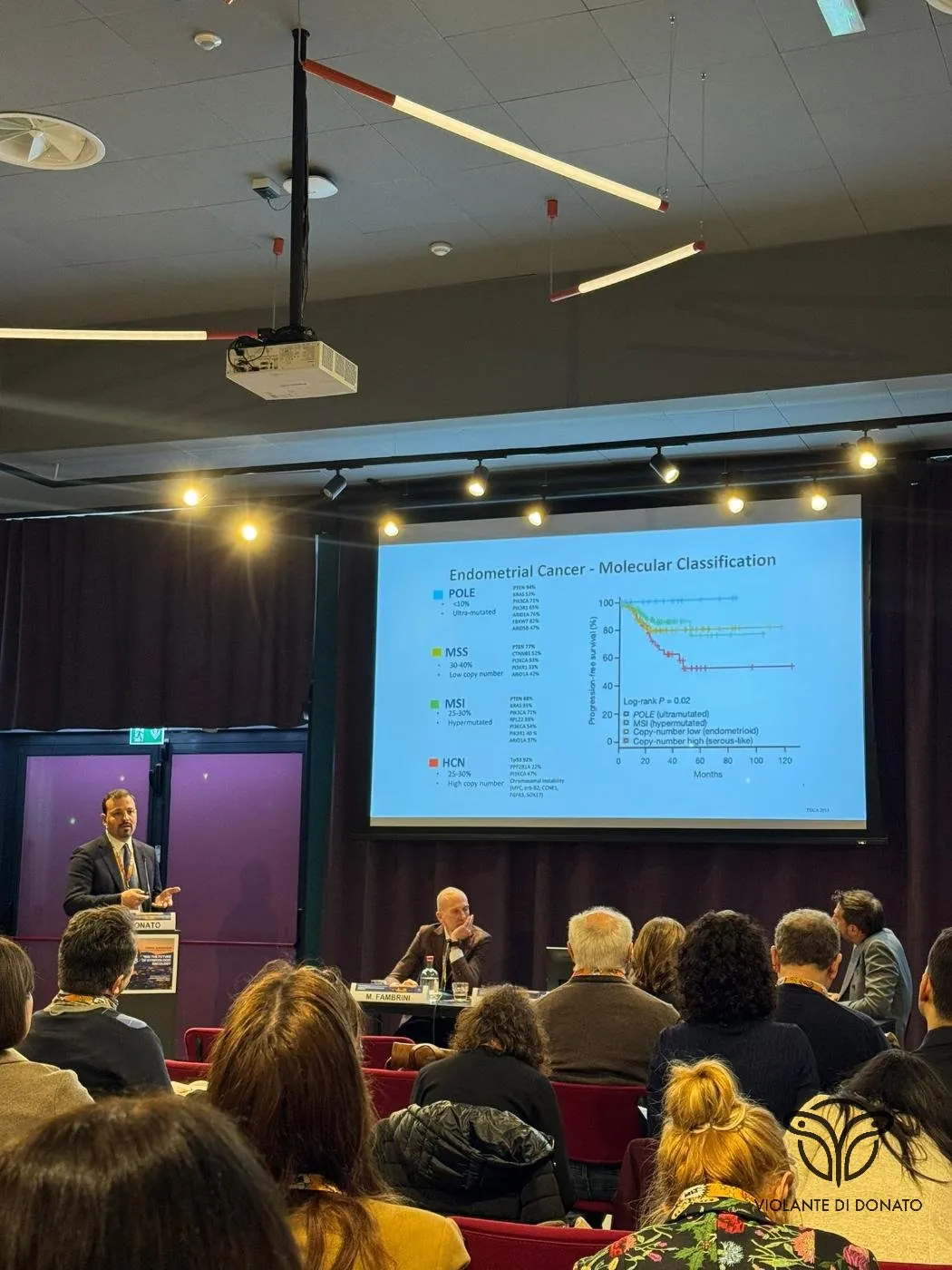
Endometrial cancer represents one of the main indications for minimally invasive robotic or laparoscopic oncologic surgery. Accurate preoperative assessment โ€” based on clinical, radiological, and histological evaluation โ€” is fundamental to defining the most appropriate surgical indication and achieving the best oncologic outcomes. Surgical staging integrated with molecular classification (POLE, MMR, p53) allows more accurate prognostic and therapeutic stratification, enabling modulation of adjuvant therapy indication: reducing overtreatment in low-risk tumors and identifying cases that benefit from more intensive adjuvant treatment.

Robotic Staging with SLN
Approach of choice โ€” Sentinel Lymph Node (SLN) biopsy for precise pelvic and para-aortic lymph node mapping, reducing the morbidity of systematic lymphadenectomy
Molecular Classification (RAINBO Protocol)
Integration of POLE, MMR, p53 and NSMP to personalize adjuvant therapy based on disease biology
Surgery for all Stages
From early disease (minimally invasive laparoscopic or robotic hysterectomy) to locally advanced forms requiring complete surgical staging
03
Ovarian Cancer
Minimally invasive resectability assessment and cytoreductive surgery

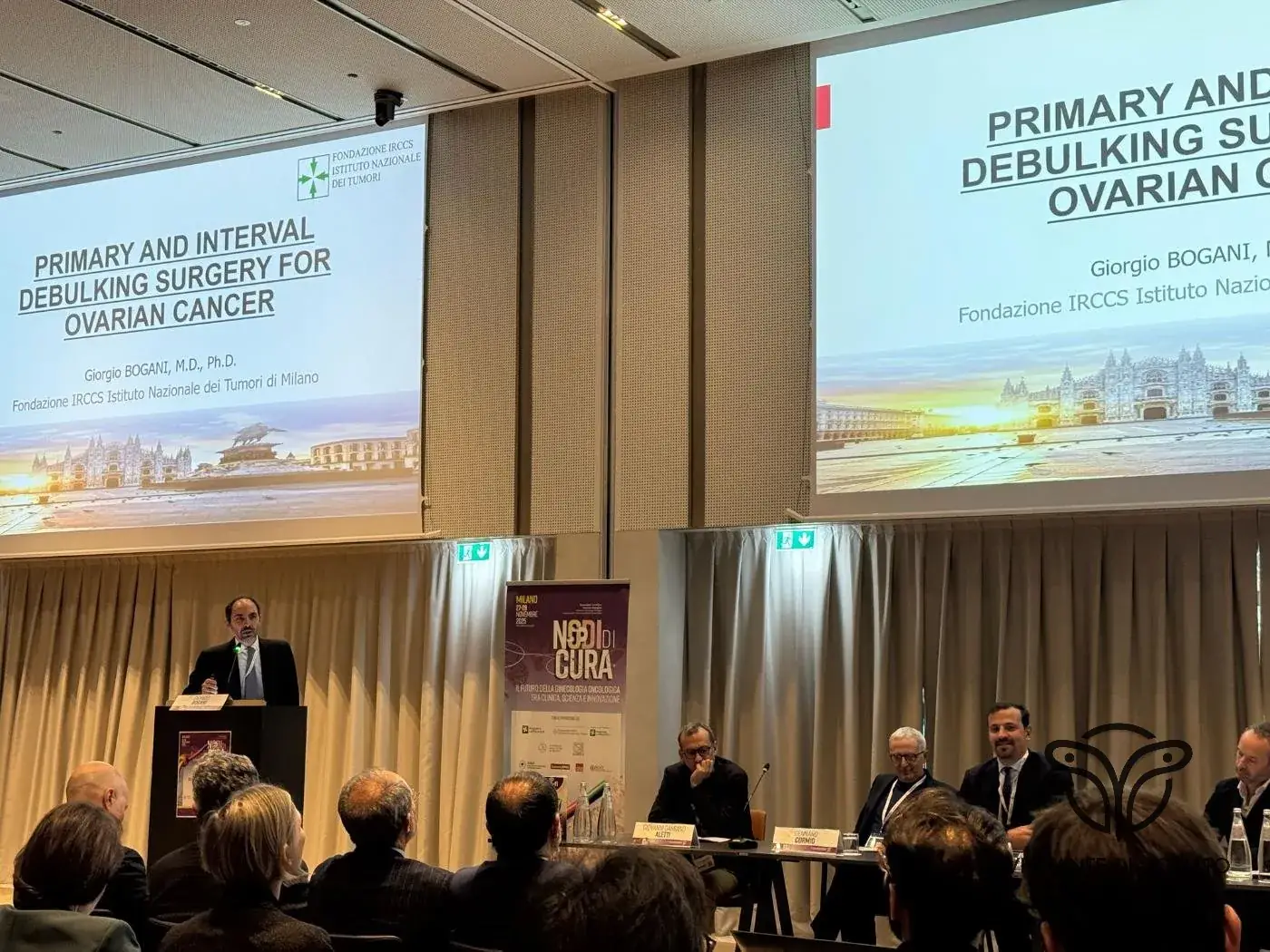
Ovarian cancer is a heterogeneous disease that often shows no signs in its early stages. Accurate preoperative assessment allows definition of the most appropriate therapeutic strategy. In carefully selected early-stage forms, a fertility-sparing strategy may be considered, while in advanced forms the goal of surgery is to achieve complete disease resection. The choice between primary surgery and neoadjuvant chemotherapy followed by interval debulking surgery depends on assessment of disease extent and the possibility of achieving complete resection โ€” the main goal of ovarian oncologic surgery and a determining factor for long-term outcome.

Resectability Assessment
Diagnostic and staging laparoscopy to systematically assess resectability following EBM criteria โ€” a fundamental decision for the entire therapeutic pathway
Primary Debulking
Complete cytoreductive surgery with CC-0 (macroscopically complete resection) as the goal in all resectable cases at diagnosis
Interval Debulking
Interval cytoreductive surgery after neoadjuvant chemotherapy in cases initially non-resectable or at high surgical risk
Recurrence Surgery
Multidisciplinary evaluation for possible indication to recurrence surgery, in cases where it is oncologically appropriate and potentially associated with clinical benefit
Academic Background & Certifications
Credentials & Certifications
๐ŸŽ“
Associate Professor
Obstetrics and Gynecology โ€” Sapienza University of Rome
๐Ÿ”ฌ
PhD โ€” summa cum laude
Obstetrics and Gynecology Sciences
๐Ÿ†
ESGO Master (Postgraduate)
Gynecologic Oncology โ€” INT Milan ยท ESGO ยท EBCOG ยท UEMS
๐Ÿค–
Robotic Surgery โ€” TR-400
Certified Console Surgeon ยท Da Vinci X & Xi ยท IRCAD, Strasbourg
๐Ÿ›๏ธ
National Cancer Institute, Milan
Independent Consultant โ€” Dept. of Gynecology (2013โ€“2014)
๐ŸŒ
Visiting Professor
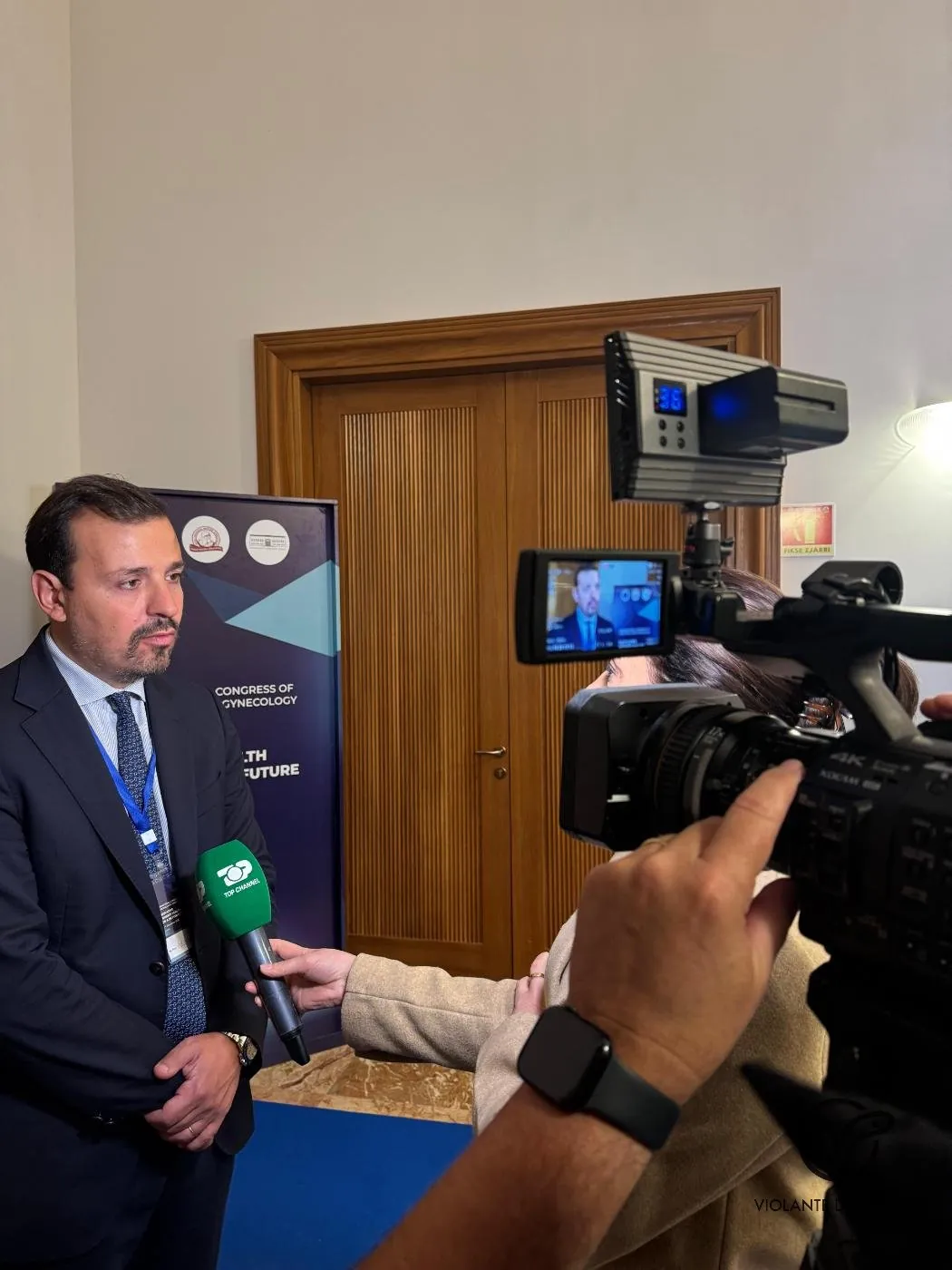
University of Tirana, Albania (2025)
Scientific Research

Research

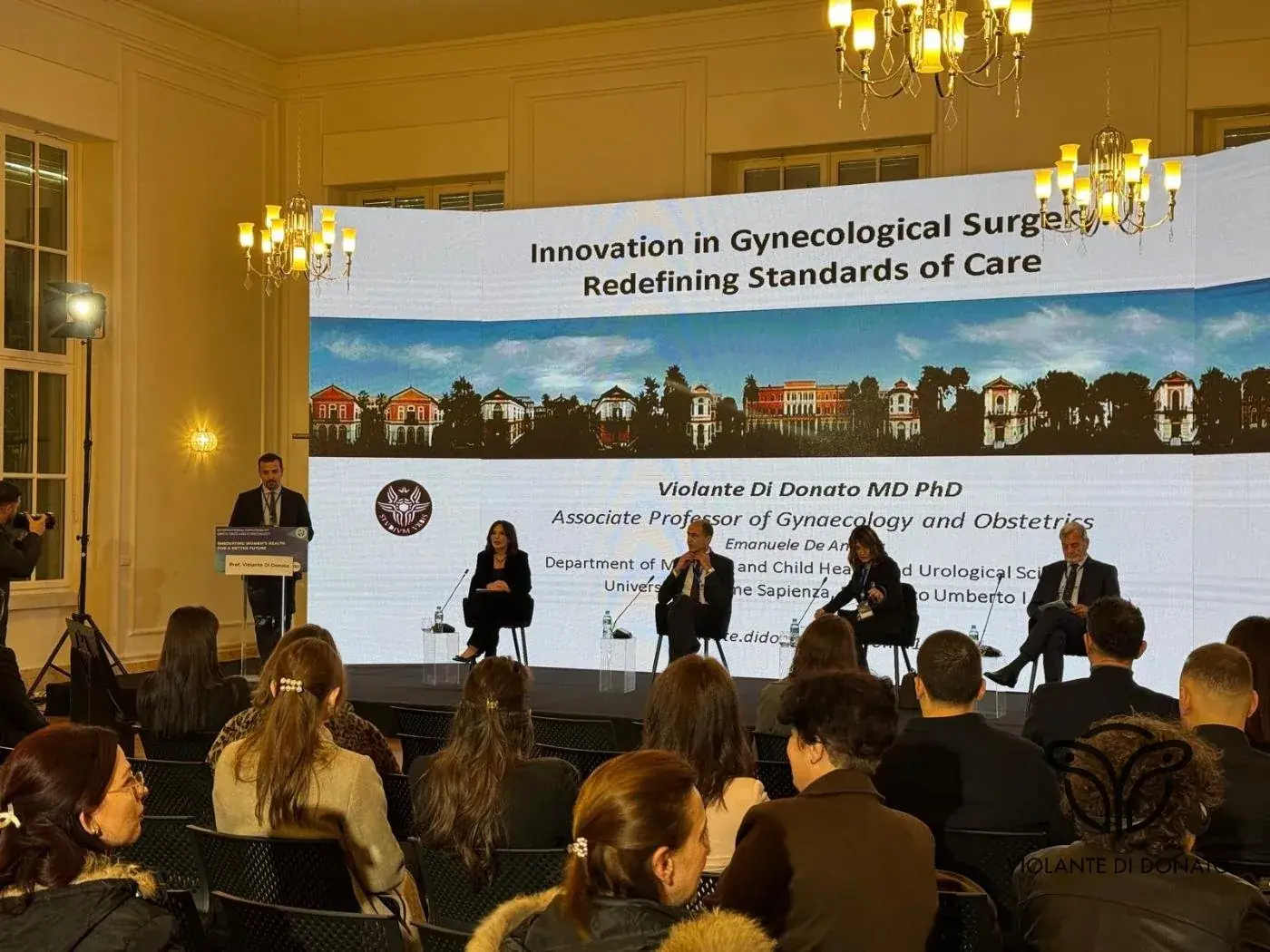
Over 266 articles published in international peer-reviewed scientific journals. Active researcher in gynecologic oncology surgery, oncologic de-escalation, molecular classification of endometrial carcinoma, outcomes of robotic surgery, and advanced laparoscopic technique.

Latest publications:

โŸณ Loading publications from PubMedโ€ฆ
Book & Collaborate

Contatti

Per prenotare una visita, richiedere una Second Opinion o avviare una collaborazione clinica tra colleghi.

Book & Collaborate

Contact

To book a consultation, request a Second Opinion, or initiate clinical collaboration between colleagues.

International Patients

Coming to Rome

Prof. Di Donato welcomes international patients seeking specialized gynecologic oncology care or a second opinion from a high-volume referral center in Rome, Italy. Consultations, second opinion reviews, and surgical procedures can be organized for patients traveling from abroad.

Second Opinion Review

Remote review of your medical records and imaging by Prof. Di Donato. Recommendation on surgical approach and treatment pathway. Response typically within 48โ€“72 business hours.

Request โ†’
In-person Consultation

English-speaking consultation at our Rome clinic. Comprehensive evaluation, review of imaging and histology, discussion of surgical options and expected outcomes.

Book appointment โ†’
Surgical Care in Rome

Surgery performed at high-volume accredited facilities in Rome. Full English-language support, coordination of preoperative assessment, hospitalization, and postoperative follow-up for international patients.

Information โ†’

Rome is served by two international airports (Fiumicino and Ciampino) and is easily reachable from anywhere in Europe, North America, and the Middle East. Our team can assist with practical arrangements related to your medical visit.

This website is for informational and educational purposes only. The content does not constitute medical advice, diagnosis, or therapeutic indication. For any health-related decision, always consult a qualified physician. ยฉ 2026 Prof. Violante Di Donato.